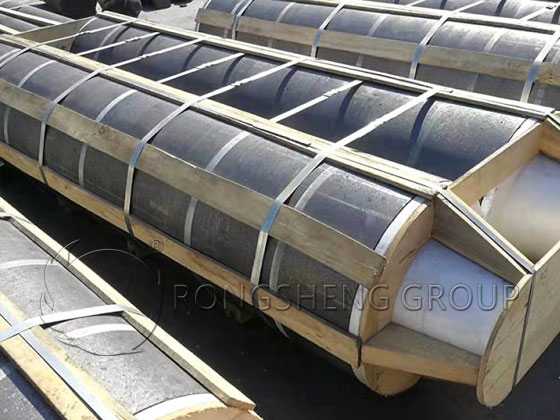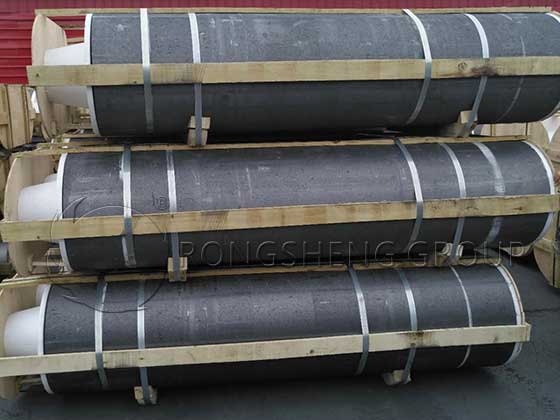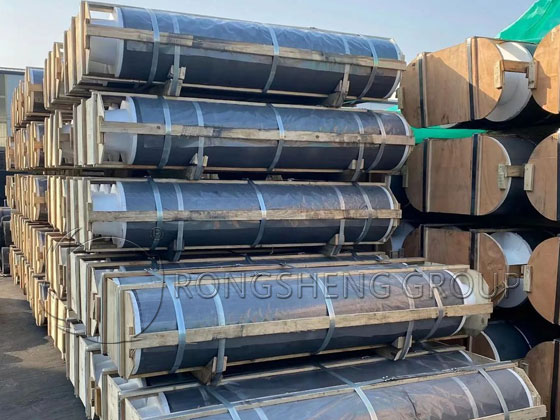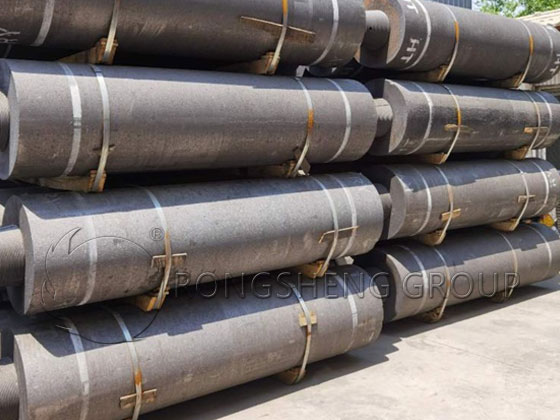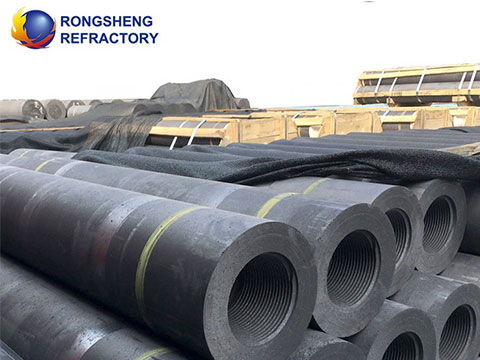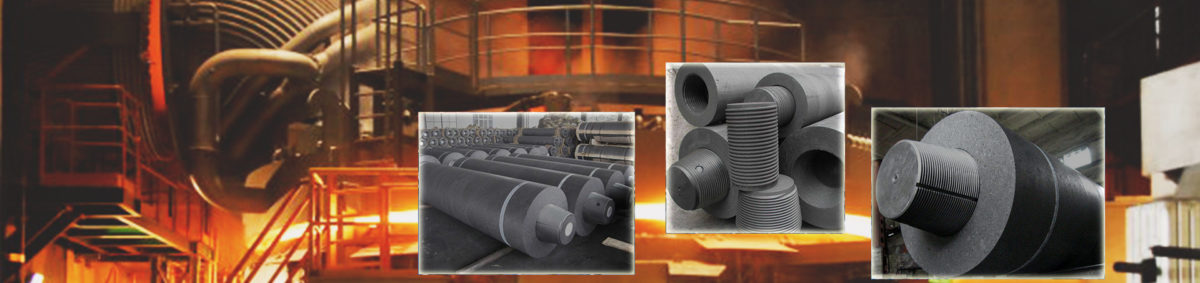
For Steelmaking Graphite Electrode and RP 400mm Graphite Electrode Factory

At first glance, a popular sandbox video game and heavy industrial steelmaking have nothing in common. But search data tells a different story. Every month, thousands of players type “minecraft graphite electrode” into search engines, looking for mods, builds, or tutorials involving this fictional item. Meanwhile, real procurement professionals search for “rp 400mm graphite electrode factory” and “uhp graphite electrode manufacturers” to source critical melt shop components.

At Rongsheng Graphite Electrodes Manufacturer, we find this intersection fascinating. One search reflects gaming creativity. The other reflects industrial necessity. This article bridges both worlds—explaining what a minecraft graphite electrode might look like in theory, then grounding you in the real-world specifications of RP 400mm electrodes and the qualifications of top uhp graphite electrode manufacturers.

Rongsheng Graphite Electrodes Manufacturer

The Minecraft Graphite Electrode Phenomenon: A Digital Curiosity

Let’s address the unexpected keyword first: minecraft graphite electrode. Why do players search for this?

Minecraft, the best-selling video game of all time, features crafting systems where players combine materials to create tools, weapons, and industrial components. Mods like IndustrialCraft, GregTech, and Immersive Engineering add realistic manufacturing chains—including graphite electrodes for virtual arc furnaces.

In these mods, a minecraft graphite electrode typically:

    • Is crafted from coal coke or graphite powder
    • Serves as a consumable component in virtual EAFs
    • Requires replacement after a certain number of “heats”
    • Drops as an item when the virtual furnace breaks

Why does this matter to a real graphite electrode manufacturer? Because it introduces a new generation of engineers and procurement specialists to the concept of graphite electrodes through gaming. A teenager learning about electrode consumption in Minecraft today might be a mill manager specifying UHP grades ten years from now.

At Rongsheng, we appreciate this cultural touchpoint. No, we don’t sell minecraft graphite electrode skins or mods. But we respect any channel that educates future steelmakers about why graphite matters.

Real-World Reality: Visiting an RP 400mm Graphite Electrode Factory

Now let’s leave the digital world and enter an actual production facility. What distinguishes a genuine rp 400mm graphite electrode factory from a trading company or re-seller?

An authentic factory—like Rongsheng’s 60,000-ton-per-year facility—has these five physical assets:

    • 1. Needle coke storage silos – You cannot make RP 400mm electrodes without calcined needle coke on hand. We maintain three months of buffer inventory across multiple particle sizes.
    • 2. Continuous mixing and forming lines – 400mm diameter requires specific forming pressures. Our 5,500-ton vacuum extruder ensures green density above 1.75 g/cm³ before baking.
    • 3. Ring furnace battery – 36 individual baking chambers operating on 28-day cycles. You cannot outsource baking and claim factory status.
    • 4. Impregnation autoclaves – RP grade receives single impregnation. We can identify our autoclave batch numbers for any electrode shipped.
    • 5. CNC threading stations – 400mm electrodes use 5–6 inch nipples. Our lathes maintain thread taper tolerance of ±0.1mm over 300mm length.

When you source from an rp 400mm graphite electrode factory rather than a trader, you get:

    • Direct batch traceability
    • Shorter lead times (no waiting for a third-party shipment)
    • Consistent specifications (the factory controls every variable)
    • Lower prices (no middleman markup)

Rongsheng is a true RP 400mm graphite electrode factory. We invite qualified buyers to tour our production lines. Few suppliers can make that offer.

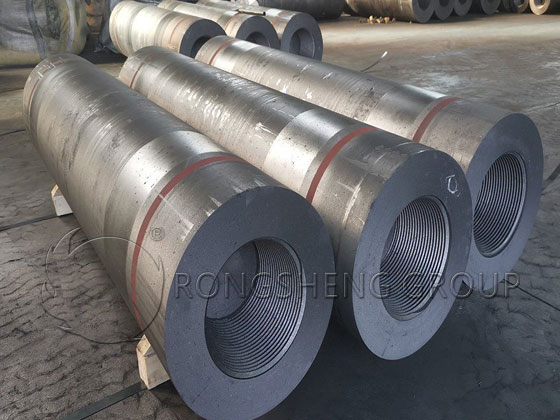
RP 400mm graphite electrode factory

RP 400mm Specifications: When to Use This Grade and Diameter

The combination of RP (Regular Power) grade and 400mm diameter serves a specific market segment. Let’s detail what this means.

RP Grade Properties:

    • Electrical resistivity: 8.0–9.0 µΩ·m
    • Flexural strength: 7.0–8.5 MPa
    • Bulk density: 1.62–1.68 g/cm³
    • Ash content: ≤ 0.5%

400mm Diameter Advantages:

    • Cross-sectional area: 125,600 mm²
    • Current capacity: Typically 25,000–35,000 amps
    • Weight per meter: Approximately 200–220 kg

Ideal applications for RP 400mm electrodes:

    • Small EAFs (30–50 tons capacity) with transformer ratings below 15 MVA
    • Submerged arc furnaces producing ferrosilicon or silicon metal
    • Foundry melting operations with extended tap-to-tap times
    • Ladle refining furnaces in smaller melt shops

Why choose RP over HP or UHP at 400mm? Cost optimization. If your furnace doesn’t demand maximum power density, RP grade delivers acceptable consumption at 20–30% lower upfront cost than HP. The key is accurate furnace analysis—which Rongsheng provides before recommending any grade.

UHP Graphite Electrode Manufacturers: What Separates the Best from the Rest

Moving from RP to the opposite end of the performance spectrum, let’s evaluate uhp graphite electrode manufacturers. UHP (Ultra-High Power) represents the most demanding grade, requiring the highest raw material quality and most precise process control.

What defines a genuine UHP graphite electrode manufacturer?

    • Needle coke source – Only specific calcined needle coke from a limited number of global refiners (primarily in the US, Japan, and China) yields the crystalline structure required for UHP resistivity below 5.8 µΩ·m.
    • Double impregnation – UHP requires two pitch impregnation cycles to achieve bulk density above 1.72 g/cm³. Single impregnation cannot meet UHP specs.
    • Extended graphitization – Minimum 20 days at 2800–3000°C. Shorter cycles leave amorphous carbon domains that increase resistivity.
    • 100% ultrasonic testing – Every UHP electrode must be scanned for internal fissures. Batch sampling is insufficient.

Rongsheng’s UHP capabilities:

    • Resistivity as low as 5.2 µΩ·m (exceeding ISO standards)
    • Flexural strength up to 12.0 MPa
    • CTE as low as 1.2 × 10⁻⁶/K
    • Diameters from 300mm to 700mm

Among uhp graphite electrode manufacturers, Rongsheng competes on consistency—not just peak performance. Our UHP electrodes show batch-to-batch resistivity variation below ±0.3 µΩ·m. Many competitors vary by ±0.8 µΩ·m or more.

uhp graphite electrode manufacturer Rongsheng

Why Choose Rongsheng Across All Three Categories?

Whether you need to visit an rp 400mm graphite electrode factory, understand the minecraft graphite electrode phenomenon (for educational or marketing purposes), or evaluate uhp graphite electrode manufacturers for a major furnace upgrade, Rongsheng offers:

    • Transparency – We publish real specifications, not marketing ranges.
    • Traceability – Every electrode batch tracked from raw coke to final shipment.
    • Technical support – Engineers available for furnace-specific recommendations.
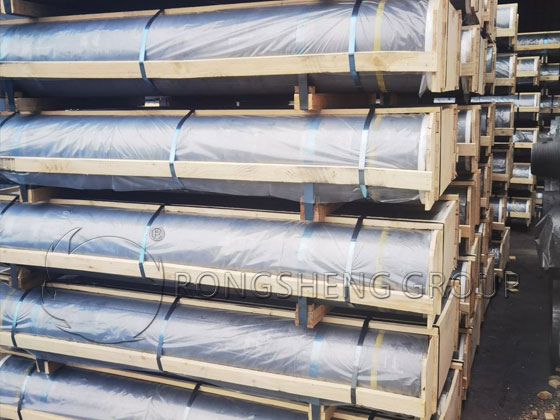
    • Global shipping – Packaged for sea freight with full documentation.

Common Questions About These Keywords

Q: Does Rongsheng sell a minecraft graphite electrode?
A: No. We manufacture real electrodes for real arc furnaces. But we support gaming communities that teach industrial processes.

Q: Can I tour your RP 400mm graphite electrode factory?
A: Yes. Qualified buyers and engineering partners are welcome by appointment.

Q: How do you compare to other uhp graphite electrode manufacturers?
A: Request our batch test data. Compare our resistivity consistency and breakage rates. The numbers speak for themselves.

RP 400mm Graphite Electrode Factory

From a minecraft graphite electrode in a video game to an rp 400mm graphite electrode factory producing thousands of tons per year, to the specialized world of uhp graphite electrode manufacturers serving the largest melt shops—graphite electrodes connect digital imagination and industrial reality.

Rongsheng operates firmly in the real world. But we respect every path that leads to better understanding of this essential product.

Whether you need RP 400mm factory-direct pricing or UHP specifications for a large EAF, contact Rongsheng today. Request batch test records, a factory tour invitation, or a consumption reduction proposal.

How Rongsheng Converts Graphite Raw Materials into High-Performance EAF Electrodes

Rongsheng’s Graphite Electrode Factory – Precision Built for High-Temperature Industry. Behind every efficient electric arc furnace (EAF) stands an electrode capable of conducting immense electrical energy and withstanding extreme heat. These electrodes are the core of modern steelmaking and metallurgical processes, where performance and stability determine production success.

RS Graphite Electrodes Factory

At the heart of this precision lies the graphite electrode factory, where raw carbon materials are transformed into durable, conductive, and high-quality electrodes. Rongsheng, a leading graphite electrode manufacturer in China, operates a fully integrated facility dedicated to producing world-class electrodes that meet the demanding standards of steel plants, foundries, and metallurgical industries worldwide.


The Foundation – Premium Graphite Raw Materials

Every high-quality electrode begins with carefully selected graphite raw materials. The purity, structure, and consistency of these materials directly influence the electrode’s electrical and mechanical performance.

Rongsheng’s production process begins with:

    • Needle Coke: The primary ingredient, known for its low ash content and superior graphitization behavior.
    • Coal Pitch Binder: Used to bond carbon particles and ensure mechanical strength after baking.
    • Additives and Fillers: Adjust composition for specific conductivity and strength requirements.

These materials undergo thorough testing for chemical composition, impurity levels, and particle size before entering production. By controlling raw material quality, Rongsheng ensures that every electrode meets international performance standards.


Inside the Graphite Electrode Factory – Precision at Every Stage

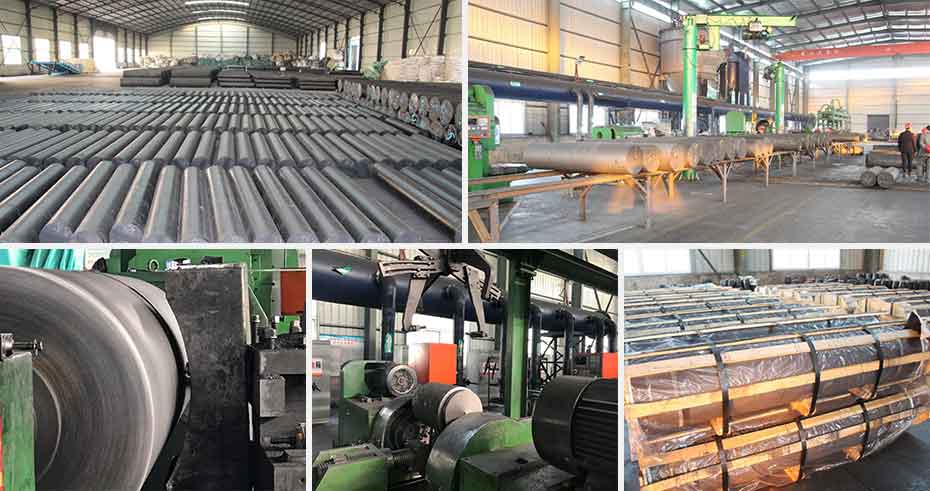
Rongsheng’s graphite electrode factory integrates advanced equipment, experienced technicians, and digital process control to maintain uniform quality. The production follows several meticulous steps, each critical to the final product’s reliability.

    1. Crushing and Screening:
      The raw materials are crushed into controlled particle sizes for uniform mixing and consistent density.

    2. Kneading and Forming:
      The crushed materials are mixed with pitch binder under heat and pressure to achieve a homogeneous mass. The mixture is then extruded into cylindrical electrode “green bodies.”

    3. Baking:
      Electrodes are baked at approximately 1000°C to carbonize the pitch, forming a strong carbon structure.

    4. Impregnation (Optional for HP/UHP Grades):
      Vacuum impregnation with liquid pitch fills pores, increasing density and mechanical strength.

    5. Graphitization:
      This key stage involves heating electrodes up to 3000°C in an Acheson or LWG furnace, converting carbon into crystalline graphite. The result is excellent electrical conductivity and thermal stability.

    6. Machining:
      CNC machines precisely shape the electrodes and cut threaded holes for nipples, ensuring accurate connection and minimal power loss during furnace operation.

    7. Inspection and Packaging:
      Each batch is inspected for resistivity, density, bending strength, and size tolerance before shipment.

This manufacturing precision allows Rongsheng to supply EAF electrodes that meet both ISO and CE standards — a benchmark for global performance.


EAF Electrodes – The Power Behind Modern Steelmaking

EAF electrodes are the essential link between electrical energy and molten steel. They must endure repeated heating and cooling cycles while maintaining conductivity and structural integrity.

Rongsheng produces electrodes suitable for all EAF types and power levels:

    • Regular Power (RP) Electrodes: Used in standard EAF operations with moderate current densities.
    • High Power (HP) Electrodes: Designed for faster melting and increased productivity.
    • Ultra High Power (UHP) Electrodes: Built for large furnaces with intense power input and short melting cycles.

Each grade of electrode from Rongsheng’s graphite electrode factory is engineered for specific operating conditions, ensuring stability, efficiency, and long service life.


Applications of EAF Electrodes in Industry

Rongsheng’s EAF electrodes are used across a variety of industrial sectors where high-temperature and high-energy processes are essential.

1. Steelmaking in Electric Arc Furnaces

EAFs melt scrap steel or direct-reduced iron using high-voltage arcs formed between electrodes and the furnace charge. Rongsheng’s UHP electrodes provide stable arc performance, lower consumption per ton, and reliable melting efficiency, helping steel plants achieve energy savings and improved yield.

2. Secondary Refining in Ladle Furnaces

In ladle furnaces, EAF electrodes maintain molten steel temperatures during refining and alloy adjustment. Rongsheng’s HP electrodes offer consistent conductivity, ensuring smooth heat transfer and minimal oxidation.

3. Ferroalloy and Silicon Smelting

Submerged arc furnaces used for silicon, manganese, and phosphorus production rely on robust electrodes that can handle combined arc and resistance heating. Rongsheng’s RP and HP grades offer durability under such continuous high-load conditions.

4. Non-Ferrous Metal and Chemical Production

EAF electrodes are also used to heat raw materials for copper, nickel, or titanium alloy melting and for producing silicon carbide and corundum in chemical industries.

These applications highlight the versatility and necessity of Rongsheng’s graphite electrodes in energy-intensive manufacturing.


Quality Assurance – The Core of Rongsheng’s Factory Operations

Rongsheng’s graphite electrode factory operates under strict quality management systems certified by ISO standards. Every production line incorporates automatic monitoring of temperature, pressure, and electrical parameters to ensure product consistency.

Each electrode undergoes multiple testing stages, including:

    • Resistivity Testing: To ensure proper electrical conductivity.
    • Flexural and Compressive Strength Tests: To confirm mechanical durability.
    • Density Measurement: To verify impregnation efficiency and material uniformity.
    • Thread Accuracy Inspection: To guarantee perfect nipple fit for minimal energy loss.

This comprehensive quality control guarantees that Rongsheng’s electrodes perform reliably in demanding furnace environments.


Sustainability and Innovation in Manufacturing

As an environmentally conscious producer, Rongsheng is committed to sustainable graphite manufacturing. The company continually upgrades furnace efficiency, reuses heat energy, and implements dust control systems to reduce emissions.

Moreover, research teams within the factory are developing next-generation graphite raw materials and impregnation technologies that further extend electrode lifespan and reduce consumption. These innovations align with global trends toward energy conservation and lower carbon steelmaking.


Why Rongsheng is a Trusted Graphite Electrode Factory

    • Integrated Production: From raw material processing to finished electrodes under one roof.
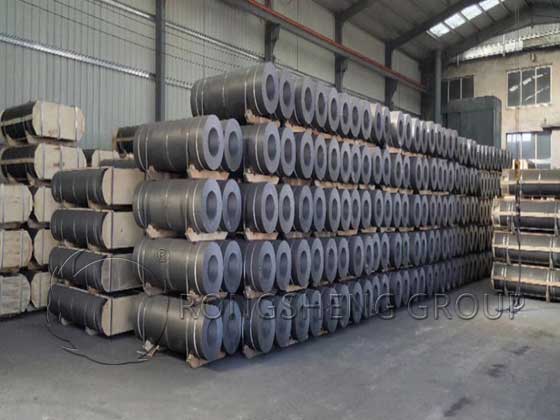
    • Large Capacity: Capable of fulfilling bulk orders for global EAF users.
    • Customized Design: Electrodes tailored to specific furnace sizes, voltages, and melting conditions.
    • Technical Support: Expert guidance for optimizing electrode performance and furnace operation.
    • Global Network: Clients in more than 120 countries across steel, metallurgical, and chemical industries.

By combining production expertise with technical service, Rongsheng ensures that every shipment delivers both quality and operational value.


Conclusion

From carefully selected graphite raw materials to the precise engineering of EAF electrodes, Rongsheng’s graphite electrode factory exemplifies the combination of science, craftsmanship, and industry insight.

In an era where efficiency, sustainability, and reliability define industrial success, Rongsheng continues to provide graphite electrodes that power furnaces around the world — transforming energy into progress, one arc at a time.

📩 Contact Rongsheng today for a detailed quotation and consultation.
🌐 Visit the website to explore the factory’s full electrode range and manufacturing capabilities.

Why Choose UHP Grade Graphite Electrodes from Rongsheng Factory?

Understanding the Role of Ultra-High Power (UHP) Graphite Electrodes in Modern Industry. In the world of steel production and other high-temperature applications, graphite electrodes play a crucial role. These electrodes are indispensable in electric arc furnace (EAF) operations, where they serve as the conduits of electric current into the furnace, enabling the production of steel and other materials through the application of intense heat. Among the various types of graphite electrodes, those of ultra-high power (UHP) grade, particularly in the sizes ranging from Φ200~800mm, have become increasingly important. This blog post will explore the significance of UHP grade graphite electrodes, with a particular focus on the widely used sizes of 450 mm and 550 mm.

Graphite Electrodes are an Important Part of the Steelmaking Industry

The Importance of Graphite Electrodes

Graphite electrodes are essential components in the steelmaking process, particularly in electric arc furnaces (EAFs). These furnaces rely on the high electrical conductivity and heat resistance of graphite electrodes to generate the extreme temperatures necessary for melting scrap steel or direct reduced iron (DRI). Graphite electrodes are made from high-quality needle coke and are subjected to a series of manufacturing processes, including mixing, molding, baking, impregnation, graphitization, and machining. The final product is a high-purity graphite electrode capable of withstanding the demanding conditions within an EAF.

What is an Ultra-High Power (UHP) Graphite Electrode?

Ultra-high power (UHP) graphite electrodes represent the pinnacle of graphite electrode technology. These electrodes are designed to handle extremely high current densities, making them ideal for demanding applications in steel production. The UHP grade is characterized by its exceptional electrical conductivity, thermal shock resistance, and mechanical strength. This allows UHP graphite electrodes to operate at much higher temperatures and with greater efficiency than regular power (RP) or high power (HP) electrodes.

UHP Graphite Electrode
Φ200~800mm UHP Graphite Electrode

The Significance of Φ200~800mm UHP Graphite Electrodes

The diameter of graphite electrodes is a critical factor in determining their current-carrying capacity and suitability for different applications. UHP graphite electrodes are available in various sizes, typically ranging from Φ200 to 800mm. This wide range of sizes allows for flexibility in choosing the appropriate electrode for specific furnace operations.

  1. Φ450mm UHP Graphite Electrode

The 450 mm diameter UHP graphite electrode is widely used in medium to large-sized electric arc furnaces. Its size strikes a balance between current-carrying capacity and operational efficiency, making it a versatile choice for many steel producers. The Φ450mm UHP graphite electrode is capable of handling high currents, making it suitable for high-output steel production facilities that require consistent performance and reliability.

Due to its UHP classification, the 450 mm electrode can operate under extreme conditions, withstanding high temperatures and minimizing electrode consumption. This reduces downtime and operational costs, contributing to more efficient steelmaking processes.

  1. Φ550mm UHP Graphite Electrode

The 550 mm diameter UHP graphite electrode represents an even higher capacity option, often used in large-scale steel production facilities. This electrode size is particularly advantageous in ultra-high power furnaces where very large currents are required to melt significant quantities of scrap steel or other raw materials.

The Φ550mm UHP graphite electrode offers excellent performance in terms of electrical conductivity and durability. Its larger diameter allows it to carry more current, which is essential in EAFs with larger capacities. Additionally, the enhanced mechanical strength of this electrode ensures it can endure the physical stresses of the steelmaking process, including thermal cycling and mechanical wear.

Why Choose UHP Grade Graphite Electrodes?

Choosing UHP grade graphite electrodes for your electric arc furnace operations comes with several key benefits:

  • Higher Efficiency: UHP graphite electrodes allow for higher current densities, which translates into faster melting times and increased production efficiency.
  • Reduced Consumption: The superior thermal and mechanical properties of UHP electrodes result in lower consumption rates, meaning fewer electrodes need to be replaced over time.
  • Enhanced Durability: UHP electrodes are designed to withstand the harshest conditions within an EAF, including rapid temperature changes and mechanical stress, leading to a longer operational life.
  • Cost-Effectiveness: While UHP electrodes may have a higher upfront cost, their longer lifespan and reduced consumption make them more cost-effective in the long run.

Rongsheng Graphite Electrode Factory

In the competitive world of steel production, the choice of graphite electrodes can have a significant impact on the efficiency and cost-effectiveness of your operations. UHP grade graphite electrodes manufacturer, particularly in the sizes of Φ450mm and Φ550mm, offer unparalleled performance, making them the preferred choice for modern electric arc furnaces. Their ability to handle high currents and endure the rigors of steelmaking ensures that they remain a cornerstone of industrial operations, driving advancements in the production of high-quality steel.