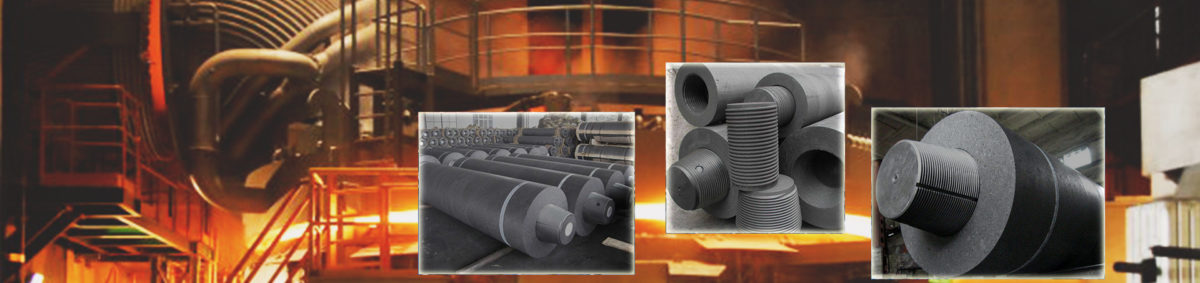
Why 300mm Graphite Electrodes Deserve Careful Selection: In electric arc furnace operations, electrode quality affects more than electrical conductivity. It also influences handling, connection reliability, consumption, and the consistency of daily production. For steelmakers and other high-temperature industries, selecting an electrode means finding a product that matches the furnace’s actual working conditions.
A 300mm graphite electrode offers a particular diameter option for furnaces designed to use this specification. However, diameter alone cannot determine product suitability. Grade, current load, electrode length, nipple dimensions, and operating conditions must also be considered.
When comparing 300mm graphite electrode manufacturers, industrial buyers should look beyond the quotation. They should understand how graphite electrode production works and how manufacturing controls affect the finished product. Rongsheng supplies graphite electrode solutions for industrial customers seeking suitable specifications, reliable quality, and competitive pricing.
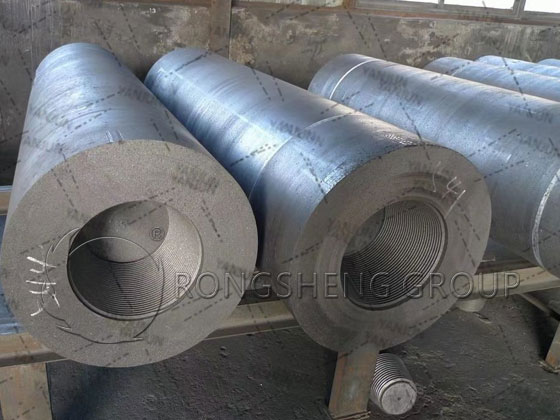
What Makes a 300mm Graphite Electrode Suitable for Industrial Use?
A graphite electrode conducts electrical current into a furnace to generate heat. In electric arc furnace steelmaking, the current produces an arc that melts scrap steel and supports subsequent refining operations. Graphite electrodes are also used in certain ferroalloy and other high-temperature processes, depending on the furnace design.
The 300mm diameter is one factor in selecting the right product. A buyer should first confirm that the furnace is designed for this size and that the chosen grade meets its electrical and mechanical requirements.
Common graphite electrode grades include RP, HP, and UHP. They are intended for different operating conditions and should not be treated as interchangeable. A suitable grade depends on the furnace’s electrical load, operating practices, and technical specifications.
For procurement teams, the goal is not simply to purchase a 300mm electrode. It is to secure a product whose dimensions, material properties, and connection design work together under the intended conditions.
Graphite Electrode Production: From Raw Materials to Finished Products
The quality of a graphite electrode is developed through a series of connected manufacturing stages. Each stage influences the finished product’s structure, dimensions, or performance. Understanding this process gives buyers a clearer basis for evaluating manufacturers.
The following production overview reflects established graphite electrode manufacturing practices. Individual processes may vary by manufacturer and product grade.
1. Raw Material Preparation
Production begins with carbon-based raw materials, commonly petroleum coke or needle coke, together with coal-tar pitch as a binder. The materials are crushed, screened, and proportioned to achieve the particle-size distribution required by the production formula.
Stable raw material quality is important because it influences the electrode’s eventual electrical and mechanical properties.
2. Mixing and Forming
Prepared coke particles are blended with heated binder pitch to create a workable mixture. The mixture is then formed, commonly through extrusion, into cylindrical electrode shapes.
At this stage, uniformity matters. Uneven material distribution or forming conditions may contribute to inconsistencies later in production. Manufacturers therefore need to control material proportions and forming parameters carefully.
3. Baking and Impregnation
The formed electrode is baked to carbonize the binder and develop structural strength. Depending on the grade and manufacturing route, pitch impregnation and additional baking may follow.
Impregnation helps fill pores in the baked material, while rebaking carbonizes the added pitch. These treatments can improve density and mechanical properties when required by the product specification. The exact treatment schedule depends on the manufacturer’s process and the grade being produced.
4. Graphitization
Graphitization is a key stage in graphite electrode production. The baked material undergoes high-temperature treatment, commonly reaching approximately 3,000°C. This changes the carbon structure toward crystalline graphite and develops the electrical and thermal properties needed for furnace service.
Temperature control and the overall treatment cycle are important. The graphitization process must be appropriate for the product being manufactured rather than treated as a simple heating step.
5. Precision Machining
After heat treatment and cooling, the electrode is machined to its specified diameter and length. The ends are prepared for the required threaded connection, and matching graphite nipples are produced where applicable.
For a 300mm graphite electrode, accurate machining helps ensure that the delivered dimensions match the order. Thread quality is particularly important because electrode sections must connect securely when assembled into a column.
6. Inspection and Packing
Before shipment, finished electrodes should undergo inspection against the agreed specification. Depending on the product, checks may cover dimensions, appearance, electrical resistivity, bulk density, mechanical strength, and thread accuracy.
Suitable packing also matters. Graphite electrodes and nipples must be protected during handling and transport to reduce the chance of damage before installation.
For buyers comparing graphite electrode production capabilities, asking about these inspection stages can reveal more than a general claim of high quality.
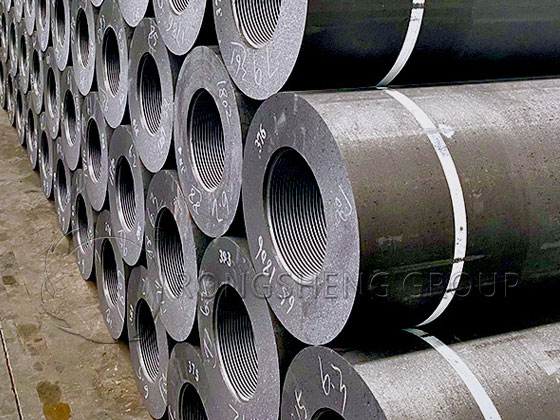
What Should Buyers Check When Comparing Manufacturers?
Not all 300mm graphite electrode manufacturers offer the same specifications, production capabilities, or quality documentation. Before selecting a supplier, purchasing teams should establish several key requirements.
-
- Grade compatibility: Confirm whether RP, HP, or UHP is appropriate for the furnace. Do not assume that all 300mm electrodes can operate under the same electrical load.
- Technical documentation: Request the relevant specifications and available test results for the proposed product.
- Connection requirements: Check nipple type, thread dimensions, and compatibility with the electrode column already used at the plant.
- Manufacturing capability: Confirm that the supplier can produce the requested dimensions and maintain the agreed specifications across the order.
- Commercial terms: Compare price, order quantity, lead time, packaging, and shipping arrangements together.
- Communication and support: A responsive supplier can help clarify technical details before an order is finalized.
These checks make purchasing decisions more systematic. They also help prevent avoidable problems caused by unclear specifications or mismatched products.
Rongsheng Graphite Electrodes: Practical Supply Solutions
Rongsheng offers graphite electrode solutions for industrial customers who need product specifications suited to their furnace operations. Buyers can discuss the required grade, diameter, length, nipple connection, and order quantity before requesting a quotation.
For customers sourcing 300mm graphite electrodes, the most useful starting point is a clear description of the intended application. Sharing relevant furnace parameters allows the supplier to assess the requested product more accurately.
Rongsheng focuses on customized dimensions, competitive pricing, and product quality control. Buyers can request technical information to compare the proposed specifications with their operating requirements. For repeat procurement, agreeing on product specifications and inspection expectations in advance can also help make future orders more consistent.
Make Production Quality Part of Your Purchasing Decision
A 300mm graphite electrode is defined by more than its diameter. Raw material selection, forming, thermal treatment, graphitization, machining, and final inspection all contribute to the finished product.
When evaluating 300mm graphite electrode manufacturers, buyers should look for a suitable grade, clear technical specifications, reliable connection machining, and appropriate quality documentation. Understanding graphite electrode production makes it easier to ask the right questions and compare suppliers on factors that matter to actual furnace operations.
Contact Rongsheng to discuss your 300mm graphite electrode requirements, request product specifications and a competitive quotation, and explore customized supply options for your industrial furnace application.